
5 Critical Facts Every STNL Investor Needs to Know Before Buying a Property
If you’ve been exploring ways to diversify beyond the stock market and create passive income, Single-Tenant Net Lease (STNL) properties may have caught your eye.
And with good reason.
STNL investments can offer stable, long-term income and minimal landlord responsibilities. But as with any investment, the devil is in the details—and unfortunately, too many first-time investors make decisions based on cap rates and brand recognition alone.
If you want your real estate investment to deliver true financial peace of mind—not passive headaches—here are five critical facts you must understand before buying a single-tenant net lease property.
1. Not All STNL Tenants Are Created Equal
The strength of your investment hinges on who your tenant is, not just what logo is on the building.
STNL tenants generally fall into three categories:
-
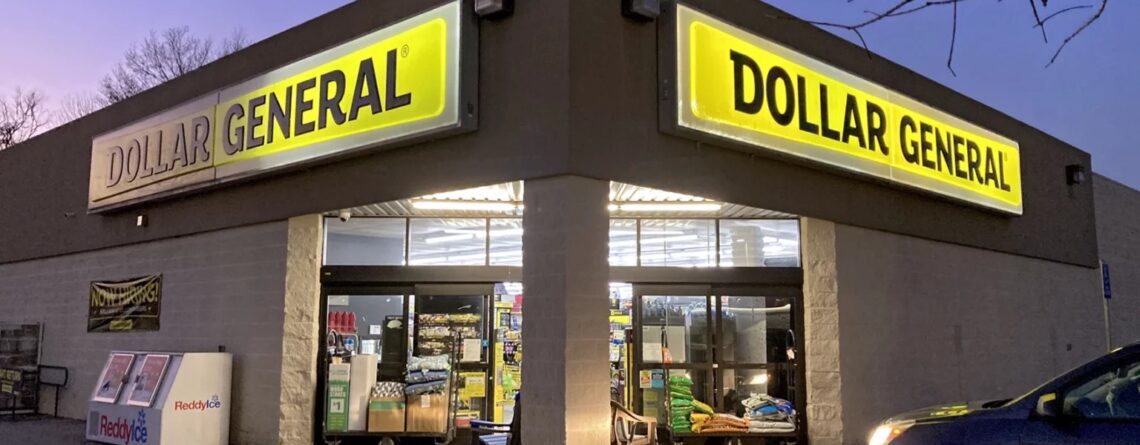
Investment-grade corporates – Publicly traded companies or those rated by credit agencies. These are national brands like Walgreens, Dollar General, or FedEx with strong balance sheets and low default risk.
-
Non-investment-grade corporates – Often regional or private firms with decent financials, but require a deeper dive into their performance history.
-
Franchisees or single-location operators – Local business owners using a national brand (e.g., a local Subway or Dunkin’ franchise). These are typically the riskiest, as their ability to pay rent depends entirely on the success of one location.
Why it matters: Knowing your tenant’s credit profile helps you assess risk and avoid surprises later.
2. The Lease Is Only as Strong as the Guarantor Behind It
One of the biggest mistakes new investors make? Assuming the lease is secure because the brand is recognizable.
But what really matters is who signed the lease.
If the lease is backed by a shell entity—like “XYZ Holdings LLC”—with no personal or corporate guarantee, you’re at risk. That LLC might only own that one location, meaning if the business fails, you’re left with vacancy, not rental income.
Smart investor move: Always verify if the lease is backed by the parent company or a high-net-worth individual. If not, you may be holding more risk than you realize.
3. Corporate Guarantees Provide Real Protection
A strong corporate guarantee is your safety net.
Even if the physical location struggles, the parent company remains legally obligated to continue paying rent. That’s what makes a deal truly passive—not just the triple-net structure, but the financial strength behind it.
No guarantee = no safety net.
This is what separates sophisticated passive investors from casual buyers chasing yield.
4. Bankruptcy Risk Is More Common Than You Think
Bankruptcy isn’t just a theoretical worst-case scenario—it happens.
If your tenant files for Chapter 11, they can ask the court to reject your lease. That means your income stream can evaporate overnight, even if the lease appears ironclad.
This risk is especially real when:
-
The lease is backed by a single-purpose entity.
-
There is no personal or corporate guarantee.
Lesson: Don’t assume a long lease term means long-term security. Look at the credit and structure first.
5. Do Your Due Diligence Like a Lender
Before investing in any STNL property, ask yourself:
-
Who’s signing the lease?
-
What is their financial track record?
-
Is the lease easily replaceable if the tenant leaves?
-
Would I still be comfortable owning this property if the rent stopped tomorrow?
Approach the deal like a lender, not just a landlord. That’s how you protect your capital and position yourself for long-term passive income.
Final Thoughts: You’re Not Just Buying a Building—You’re Buying a Lease
When investing in STNL properties, remember: cap rate, lease term, and brand name are only part of the story.
The real protection lies in the lease structure and the financial strength of the entity behind it.
If you want your investment to be truly passive—and not a future liability—take the time to vet your tenant, understand the guarantee structure, and underwrite the deal like a pro.
Ready to Learn How to Vet Passive Investments With Confidence?
At SAMO Financial, I guide high-income professionals through this exact process—so they can invest smarter, sleep better, and build generational wealth without trading their time for money.
👉 Curious if STNL fits into your passive investing strategy?